Tactile Flooring: Pros and Cons of an Essential Accessibility Solution
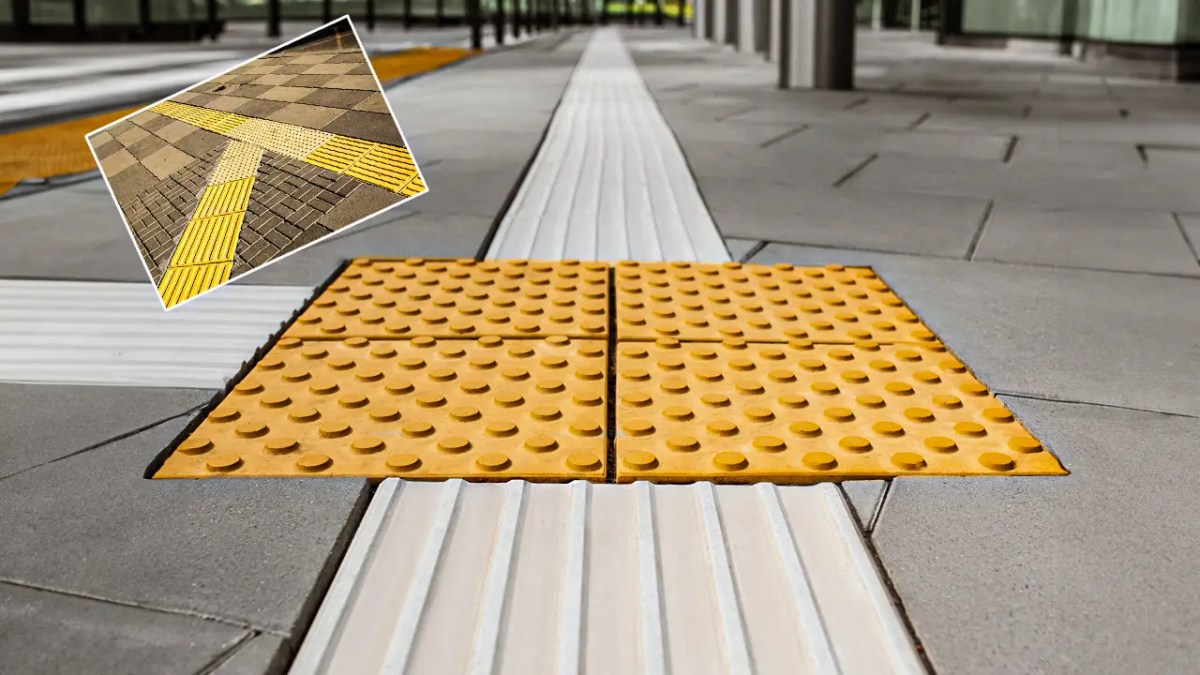
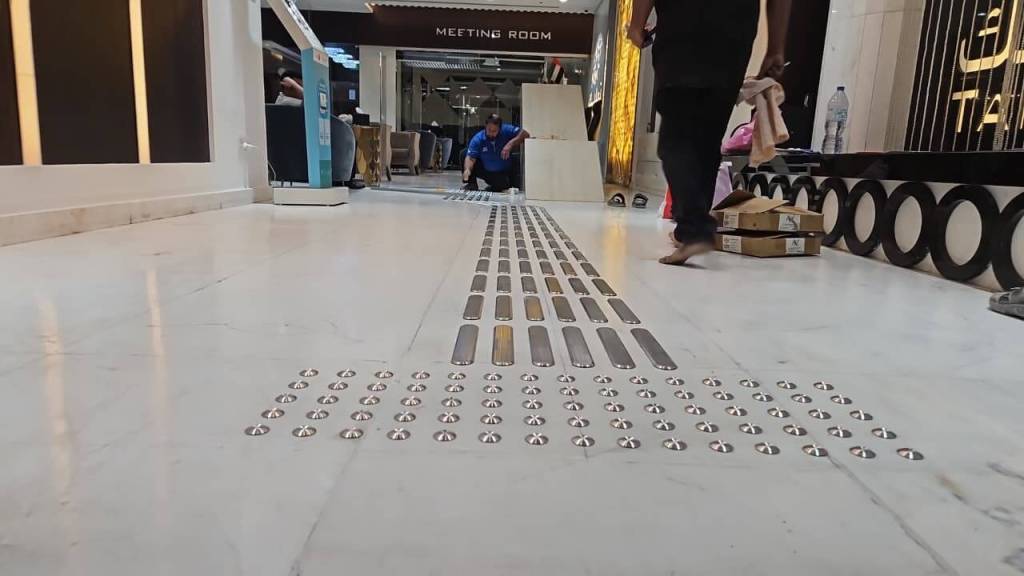
Tactile flooring is a specialized type of flooring designed to assist visually impaired individuals in navigating public and private spaces safely. It features raised patterns or textured surfaces that provide sensory feedback through touch, helping people identify changes in walking direction, hazards, or key locations such as staircases, ramps, and pedestrian crossings.
Tactile flooring is widely used in airports, train stations, shopping malls, hospitals, and sidewalks, making cities and buildings more inclusive. While it offers many benefits, there are also some challenges to consider. Let’s explore the pros and cons of tactile flooring to understand its impact on urban design and accessibility.
Pros of Tactile Flooring
1. Enhances Accessibility for the Visually Impaired
The primary benefit of tactile flooring is that it improves mobility and independence for visually impaired individuals. The raised patterns provide sensory cues that help people navigate their surroundings safely, reducing the risk of accidents.
2. Improves Safety in Public Spaces
Tactile flooring serves as a safety measure in high-traffic areas. It alerts pedestrians to potential hazards like stairs, escalators, platforms, and road crossings, ensuring they can navigate safely even without visual assistance.
3. Supports Compliance with Accessibility Regulations
Many countries have strict accessibility laws, requiring businesses and public infrastructure to install tactile flooring. It helps meet compliance with regulations like the ADA (Americans with Disabilities Act), BS 8300 (UK standards for accessible design), and ISO 23599 (international standard for tactile paving).
4. Versatile Material Options for Different Environments
Tactile flooring is available in various materials, including:
- Rubber – Ideal for indoor use due to its slip resistance and cushioning properties.
- Stainless Steel – Durable and best for heavy foot traffic areas.
- Ceramic and Porcelain – Aesthetic and suitable for architectural designs.
- Concrete and Stone – Common in outdoor spaces for durability.
This versatility allows architects and designers to integrate tactile flooring seamlessly into different settings without compromising on aesthetics.
5. Weather and Slip Resistance
Tactile flooring materials, especially those used in outdoor environments, are designed to be weather-resistant and provide anti-slip surfaces. This ensures safety even in wet or icy conditions, reducing the risk of falls.
6. Assists Pedestrians with Cognitive Disabilities
Tactile indicators aren’t just for the visually impaired; they also help individuals with cognitive disabilities by providing clear, structured navigation cues, making spaces more intuitive and user-friendly.
Cons of Tactile Flooring
1. Installation Costs Can Be High
One of the main drawbacks of tactile flooring is the cost of installation, especially for high-quality materials like stainless steel or ceramic tiles. While rubber and plastic options are more affordable, they may not be as durable.
2. Requires Regular Maintenance
Tactile flooring is subjected to continuous foot traffic and weather exposure, which means it requires regular maintenance to prevent wear and tear. Over time, the raised textures can become worn down, reducing their effectiveness.
3. Potential Tripping Hazard if Not Installed Correctly
Improper installation of tactile flooring can pose a tripping hazard, particularly if tiles or paving are uneven or not properly secured. It’s crucial that installation follows guidelines and industry standards to avoid creating obstacles instead of aiding accessibility.
4. Aesthetic Concerns in Architectural Design
While tactile flooring is functionally essential, some architects and designers feel that it may disrupt the visual appeal of certain spaces. However, modern designs now offer aesthetic-friendly tactile solutions that blend well with contemporary architecture.
5. Can Be Slippery If the Wrong Material Is Used
Not all tactile flooring materials offer adequate slip resistance. Some surfaces, especially polished tiles, can become slippery when wet, making them counterproductive in ensuring pedestrian safety. Choosing non-slip materials is essential to avoid this issue.
6. Noise and Vibrations in Certain Areas
Tactile flooring made of materials like metal or rigid plastic can create noise and vibrations when walked on, particularly in quiet indoor spaces like libraries, offices, or museums. This may be a minor inconvenience in sound-sensitive environments.
Is Tactile Flooring the Right Choice?
Tactile flooring is an essential feature for inclusive and accessible urban planning, providing critical assistance for visually impaired individuals and enhancing public safety. While it comes with challenges like installation costs and maintenance, its long-term benefits in accessibility and compliance with regulations outweigh the drawbacks.
For businesses, architects, and city planners, investing in high-quality tactile flooring ensures a safer and more inclusive environment while aligning with modern accessibility standards. By selecting the right material, installation method, and maintenance plan, tactile flooring can seamlessly integrate into any space without compromising safety or aesthetics.