How to Restore Faded Tactile Colors- Step by Step Guide

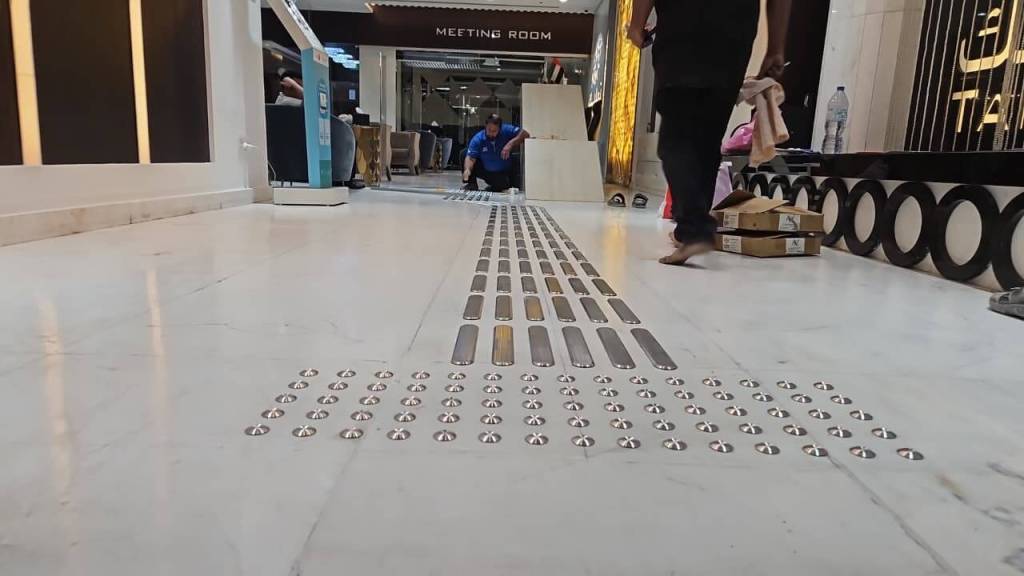
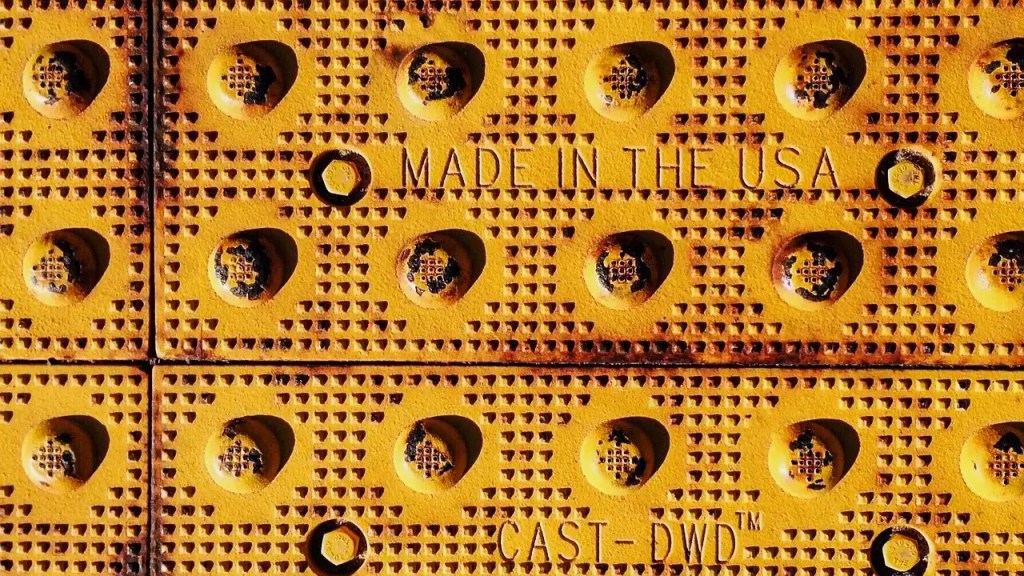
Tactile paving is essential for guiding and assisting visually impaired individuals in navigating public and private spaces. Over time, exposure to weather, foot traffic, and pollution can cause tactile colors to fade, reducing their visibility and effectiveness. Restoring the vibrant colors of tactile paving is not only a matter of aesthetics but also a critical aspect of maintaining accessibility standards.
Why Do Tactile Colors Fade?
Tactile paving colors fade due to several factors, including:
- UV Exposure: Prolonged exposure to sunlight breaks down pigments in the material.
- Wear and Tear: Constant foot traffic and the weight of vehicles contribute to surface erosion.
- Pollution and Dirt: Accumulation of grime and pollutants dulls the surface over time.
- Weather Conditions: Rain, snow, and fluctuating temperatures can degrade tactile paving materials.
Tools and Materials Needed for Restoration
- Surface cleaner or degreaser
- High-pressure washer (optional but recommended)
- Color restoration paint or coating suitable for tactile paving
- Paint applicator (roller, brush, or sprayer)
- Primer (if required by the coating product)
- Protective gear (gloves, mask, and goggles)
Step-by-Step Process to Restore Faded Tactile Colors
1. Clean the Surface
Start by thoroughly cleaning the tactile paving to remove dirt, grime, and debris. Use a surface cleaner or degreaser to break down stubborn stains. A high-pressure washer can be used for deep cleaning, but ensure it doesn’t damage the tactile paving.
2. Inspect for Damage
Examine the tactile paving for cracks, chips, or other forms of damage. Repair any structural issues before proceeding with color restoration to ensure durability.
3. Choose the Right Restoration Product
Select a color restoration product designed for tactile paving. These products should be UV-resistant, non-slip, and durable enough to withstand heavy foot traffic and weather conditions. Ensure the paint or coating matches the original tactile color.
4. Apply Primer (if required)
Some restoration paints or coatings require a primer to improve adhesion. If needed, apply the primer evenly across the surface and allow it to dry according to the manufacturer’s instructions.
5. Apply the Color Restoration Coating
Using a roller, brush, or sprayer, apply the restoration coating evenly across the tactile paving. Ensure that the application is smooth and consistent to maintain the tactile’s functionality and visibility. Allow the first coat to dry completely before applying a second coat for enhanced durability and vibrancy.
6. Let the Surface Dry
After applying the final coat, allow the tactile paving to dry completely. This may take several hours, depending on the product and environmental conditions. Avoid foot traffic during this time.
7. Perform a Final Inspection
Once the coating is dry, inspect the tactile paving to ensure the color is uniform and the surface remains non-slip. Make any touch-ups as needed.
Tips for Maintaining Tactile Colors
- Regular Cleaning: Clean tactile paving periodically to prevent dirt buildup and maintain visibility.
- Protective Coating: Apply a clear UV-resistant protective coating to prolong the color’s life.
- Scheduled Maintenance: Inspect tactile paving regularly and address minor fading or damage promptly.
Restoring faded tactile colors is a straightforward process that significantly improves the appearance and functionality of tactile paving. By following these steps and using high-quality materials, you can ensure the paving remains vibrant, durable, and effective for years to come. Regular maintenance and timely restoration will help you meet accessibility standards while enhancing the safety and aesthetics of your space.