The Durability of Tactiles in High-Traffic Areas
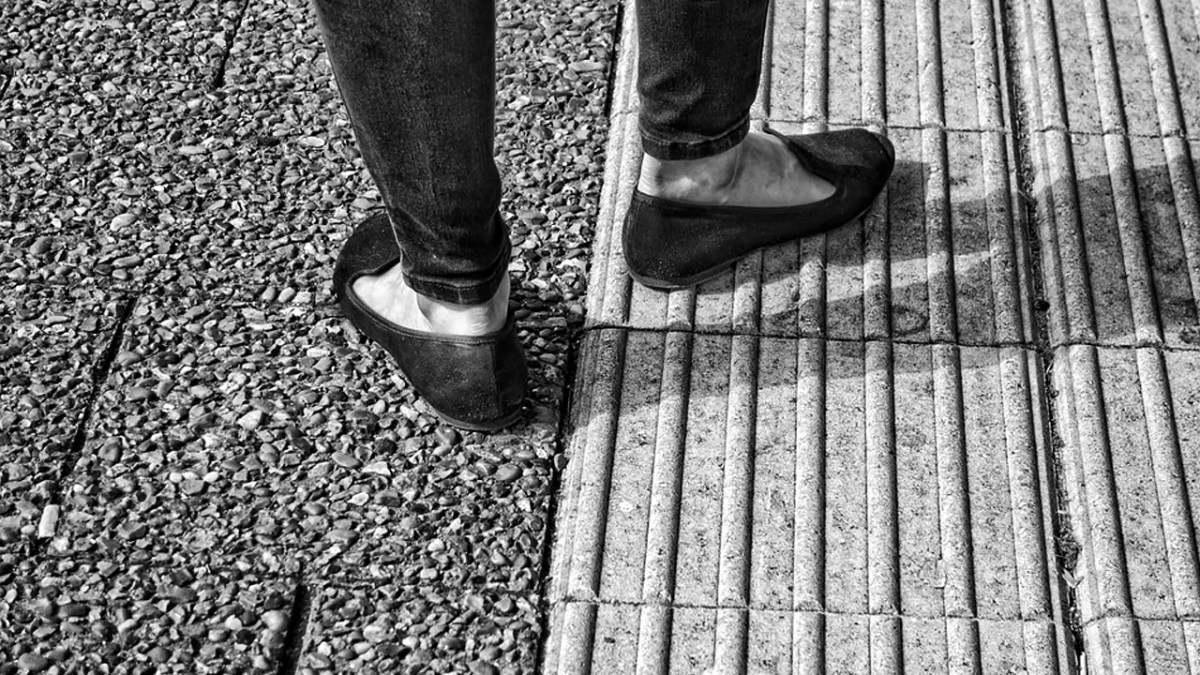
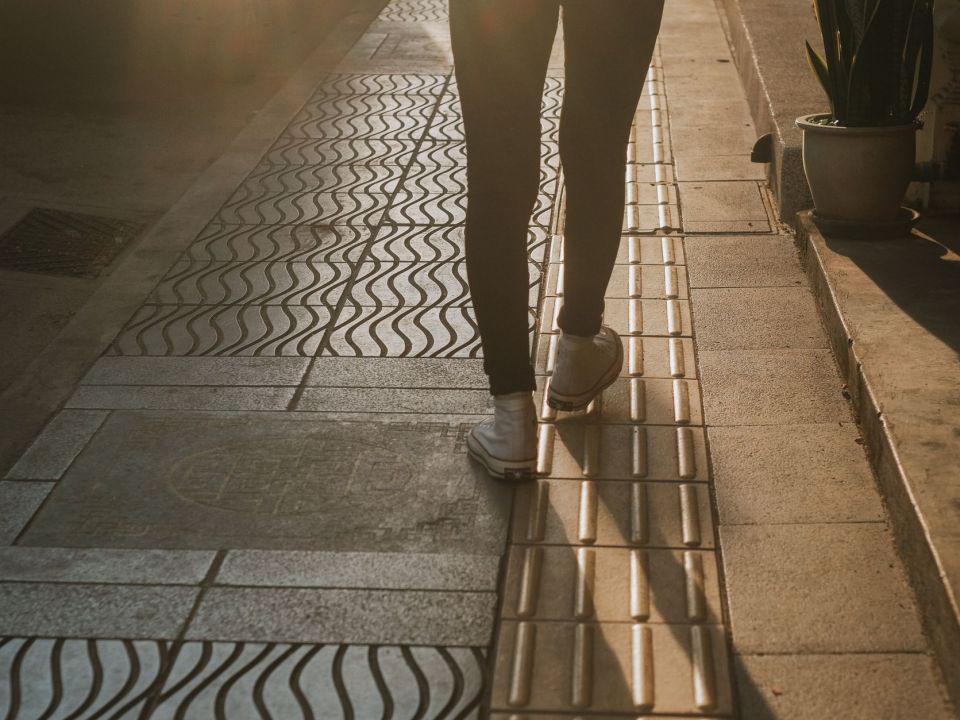
Tactile paving plays a vital role in enhancing accessibility and safety, particularly for visually impaired individuals. In high-traffic areas like sidewalks, train stations, airports, and commercial spaces, the durability of these tactiles becomes essential. Designed to withstand constant footfall, wheelchairs, and heavy loads, modern tactile solutions are engineered using robust materials to ensure long-lasting performance.
Materials that Ensure Durability
The durability of tactiles depends largely on the material used. Common options include:
- Concrete: A cost-effective choice, often used for outdoor environments. It provides strength and resilience against weather conditions and heavy foot traffic.
- Stainless Steel: Known for its exceptional durability, stainless steel tactiles resist wear, corrosion, and impact, making them ideal for indoor and outdoor high-traffic zones.
- Porcelain: Offering both durability and aesthetics, porcelain tactiles are non-porous, scratch-resistant, and perfect for commercial spaces.
- Polyurethane and Rubber: These materials provide flexibility and shock absorption while being durable enough for areas with moderate foot traffic.
Key Features for Longevity
Tactiles designed for high-traffic areas incorporate specific features to ensure durability:
- Slip Resistance: High-quality tactiles are textured to prevent slips and falls, maintaining safety even in wet conditions.
- Impact Resistance: Durable tactiles can withstand pressure from heavy loads, including carts, strollers, and wheelchairs.
- UV and Weather Resistance: Tactiles made for outdoor areas are resistant to sunlight, rain, and temperature changes to prevent fading or wear.
- Low Maintenance: High-quality tactiles require minimal upkeep, saving costs and maintaining functionality over time.
Why Durability Matters in High-Traffic Zones
In areas with constant footfall, tactiles must perform under pressure while maintaining their visual and functional integrity. Poor-quality tactiles can wear down quickly, leading to safety hazards, reduced effectiveness, and costly replacements. Durable tactiles ensure:
- Safety: Long-lasting tactiles provide continuous guidance and warnings for visually impaired individuals.
- Cost Efficiency: Durable materials reduce maintenance and replacement costs over time.
- Sustainability: High-quality tactiles are often eco-friendly, reducing waste by lasting longer.
- Compliance: Proper installation of durable tactiles ensures compliance with accessibility standards and regulations.
The durability of tactiles in high-traffic areas is critical for ensuring safety, accessibility, and long-term cost-effectiveness. Materials like stainless steel, concrete, and porcelain, combined with features like slip resistance and weather durability, make tactiles a reliable solution for busy spaces. Investing in high-quality tactile paving ensures lasting performance, helping organizations maintain accessibility and safety for all.