

Tactile paving, also known as detectable warning surfaces, plays a crucial role in public spaces by enhancing accessibility for visually impaired individuals. These specially designed tiles are not only a legal requirement in many regions but also a symbol of inclusivity in urban design. This article explores the importance of tactile paving, its benefits, and key considerations for implementation.
What Is Tactile Paving?
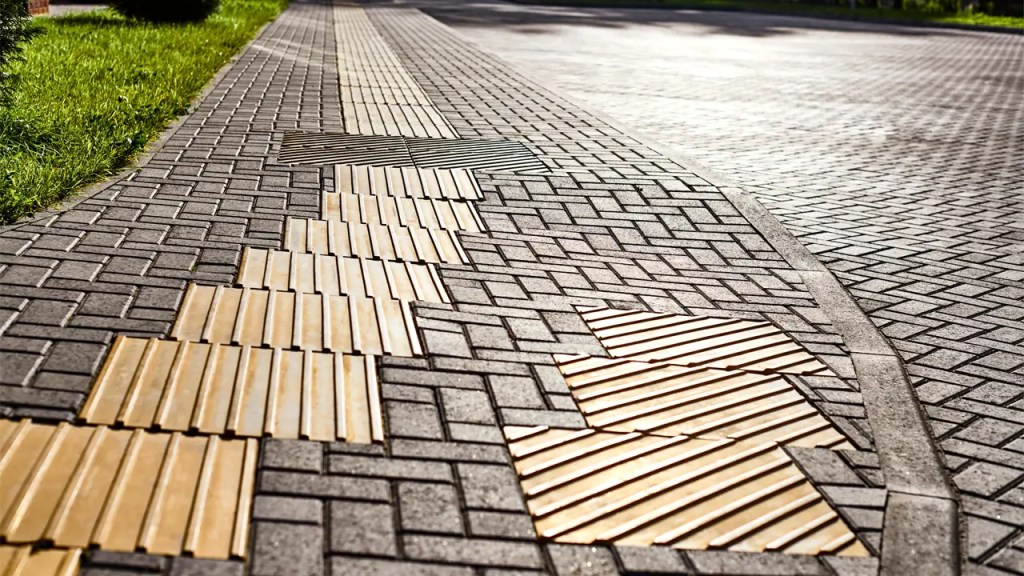
Tactile paving consists of raised surface patterns on the ground that provide sensory feedback through touch and underfoot awareness. These surfaces guide individuals with visual impairments, helping them navigate public spaces safely. Common types include:
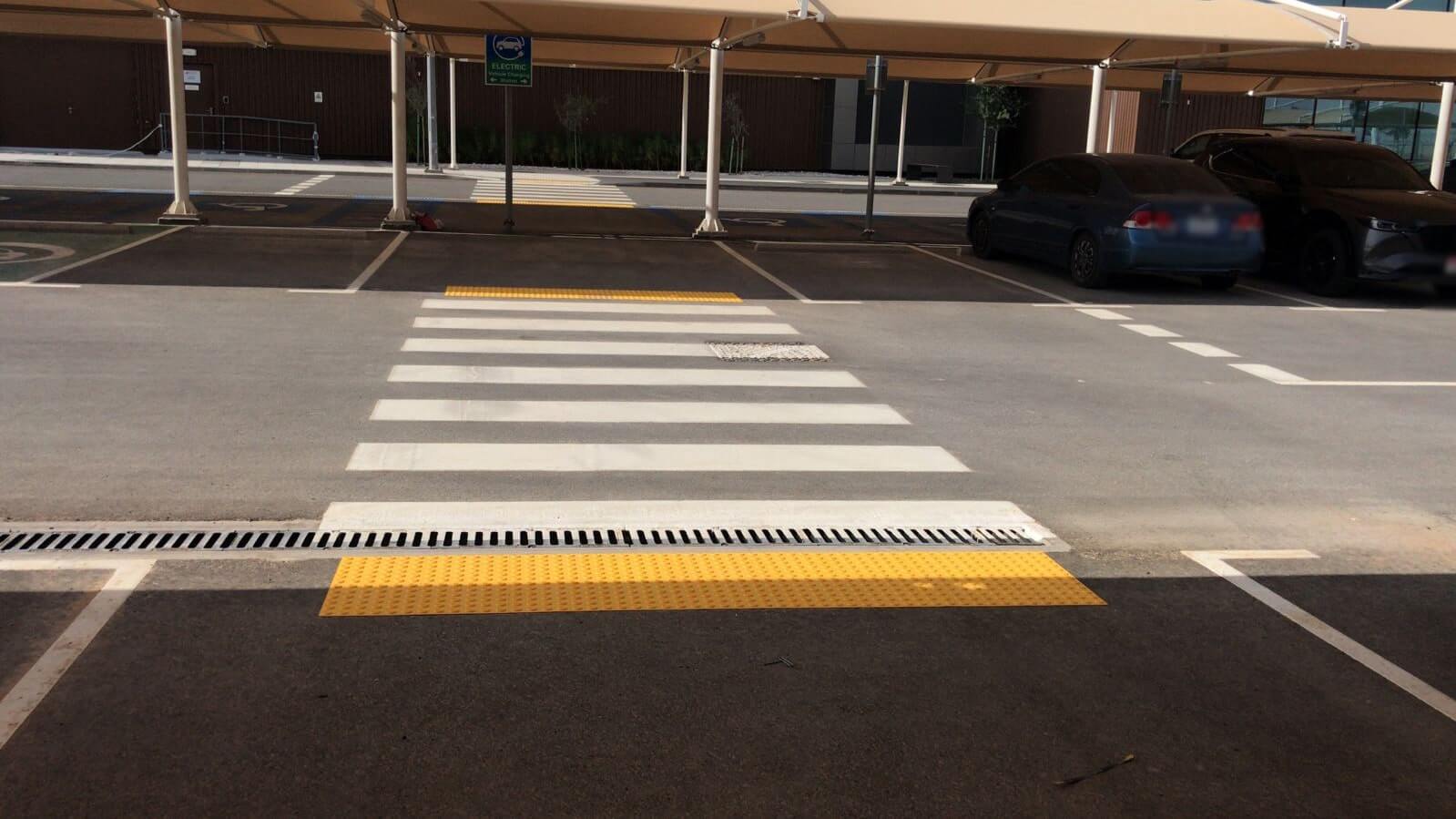
- Blister Paving: Indicates pedestrian crossings.
- Corduroy Paving: Warns of hazards like steps or steep slopes.
- Guidance Paving: Directs pedestrians along safe pathways.
Benefits of Tactile Paving in Public Spaces
- Improved Accessibility
Tactile paving ensures that individuals with visual impairments can navigate streets, parks, and transit stations safely and independently. - Enhanced Safety
These surfaces provide critical warnings about potential hazards, such as stairs, edges of train platforms, or road crossings. - Universal Design
Tactile paving aligns with the principles of universal design, ensuring public spaces are usable by everyone, regardless of ability. - Compliance with Accessibility Standards
Many countries mandate the use of tactile paving to comply with accessibility laws, such as the Americans with Disabilities Act (ADA) or equivalent international regulations.
Key Considerations for Tactile Paving Installation
- Material Selection
Use durable, slip-resistant materials like concrete, rubber, or porcelain to withstand heavy foot traffic and varying weather conditions. - Correct Placement
Install tactile paving in areas where safety and navigation are critical, such as pedestrian crossings, bus stops, and entrances to public buildings. - Color Contrast
Ensure high-contrast colors (e.g., yellow on dark surfaces) to improve visibility for partially sighted individuals. - Regular Maintenance
Periodically inspect and repair tactile paving to prevent wear and tear, which can reduce its effectiveness.
How Tactile Paving Supports Inclusive Urban Design
The incorporation of tactile paving into public spaces reflects a commitment to creating inclusive environments. By prioritizing accessibility, cities can enhance the quality of life for all residents and visitors, including those with disabilities. Moreover, well-designed tactile paving solutions demonstrate forward-thinking urban planning that values diversity and inclusivity.
Tactile paving is an essential feature of accessible public spaces, providing safety, independence, and dignity for visually impaired individuals. By understanding its significance and following best practices for installation, cities and communities can foster inclusivity and comply with accessibility regulations. Investing in tactile paving is a step toward a more equitable and user-friendly urban landscape.