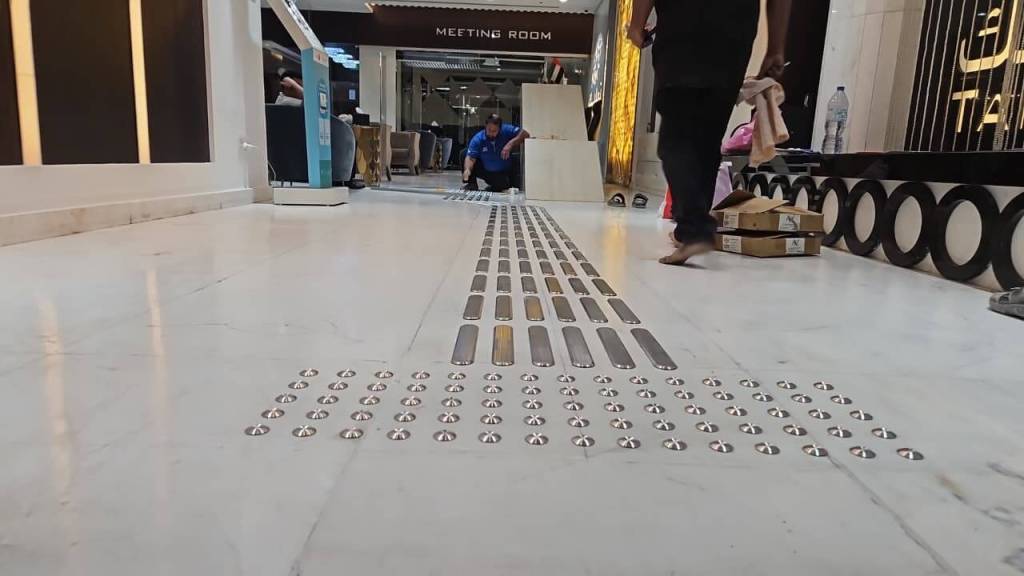
Tactile Stud Ringed: Enhancing Safety and Accessibility
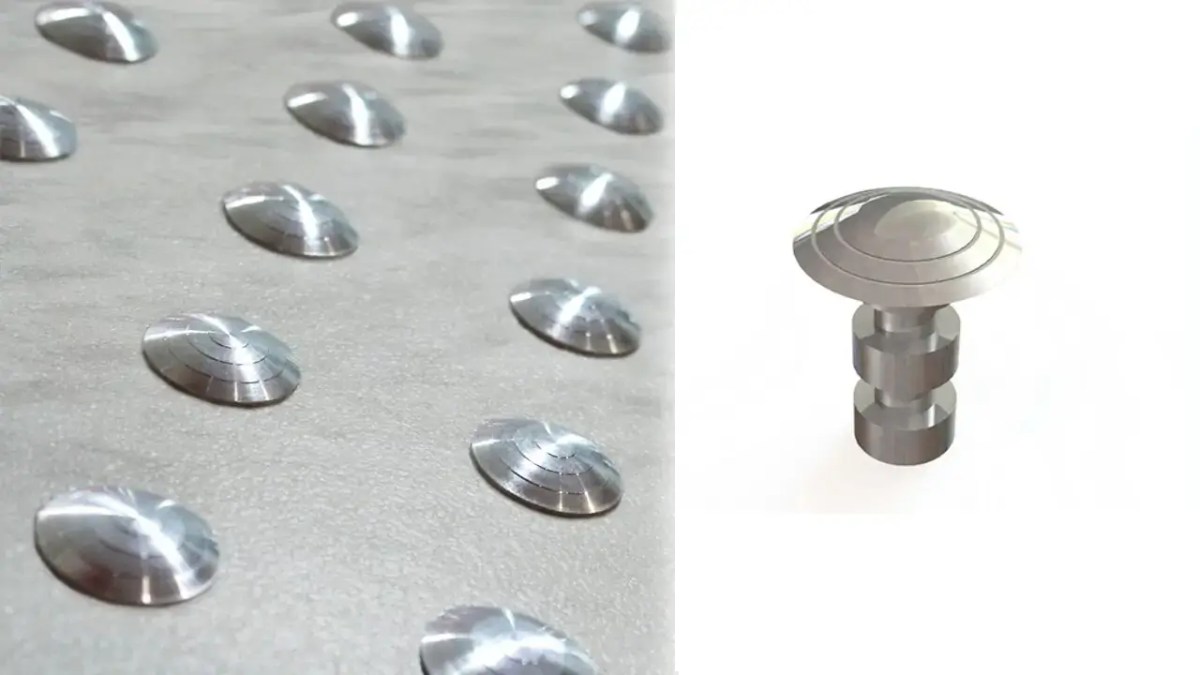
Tactile stud rings are a critical element in urban infrastructure, designed to improve safety and accessibility for all pedestrians, especially those with visual impairments. These tactile indicators play a significant role in modern city planning, offering distinct surface indicators to aid navigation and reduce accidents.
What is a Tactile Stud Ringed? Tactile stud rings, also known as tactile paving studs or tactile ground surface indicators (TGSI), are round, durable markers embedded in the pavement. They create a textured surface that is easily felt underfoot or with a cane. Typically installed in key locations like pedestrian crossings, stairs, and public transport areas, these tactile studs provide essential guidance and warning signals to visually impaired individuals.
Features of Tactile Stud Rings
- Material: Tactile stud rings are commonly made from stainless steel, brass, or other corrosion-resistant materials to ensure durability and longevity in various weather conditions.
- Design: The ringed design is specifically chosen to create a difference in texture from the surrounding surface, making them easily distinguishable by feel.
- Placement: These studs are strategically placed in rows, forming a pattern that guides individuals or provides a warning about potential hazards, such as a change in elevation or the edge of a platform.
Benefits of Using Tactile Stud Ringed Systems

- Enhanced Safety: By offering a clear indication of hazardous zones, tactile studs help in reducing the risk of trips and falls.
- Improved Accessibility: For individuals with visual impairments, tactile stud rings provide a sense of direction and awareness, making it easier for them to navigate public spaces independently.
- Durability: The materials used in these studs are designed to withstand significant wear and tear, ensuring they remain effective for years with minimal maintenance.
- Aesthetic Integration: These studs come in different finishes, allowing them to blend seamlessly with various urban environments without compromising their functionality.
Applications of Tactile Stud Ringed
- Pedestrian Crossings: Tactile studs are often used at crosswalks to indicate where pedestrians should wait before crossing, providing a physical cue for visually impaired individuals.
- Transportation Hubs: Airports, train stations, and bus stops frequently use tactile stud rings to mark safe waiting areas and guide passengers to key facilities.
- Public Buildings: Government offices, shopping malls, and hospitals utilize these tactile indicators to enhance safety in high-traffic areas like staircases and escalators.
Compliance with Accessibility Standards In many countries, the installation of tactile stud rings is a regulatory requirement to ensure public spaces comply with accessibility standards. These guidelines, such as the Americans with Disabilities Act (ADA) in the United States or the Disability Discrimination Act (DDA) in the UK, mandate the use of tactile indicators to create more inclusive urban environments.
Choosing the Right Tactile Stud Ringed System for Your Project When selecting tactile stud rings for a project, several factors should be considered:
- Material Quality: Stainless steel and brass are popular choices for their strength and corrosion resistance.
- Pattern and Placement: Ensure the studs are arranged according to local accessibility guidelines to maximize effectiveness.
- Maintenance Requirements: Choose a design that requires minimal upkeep while retaining its functionality over time.
Tactile stud rings are an essential part of urban planning that ensures safety and accessibility for everyone. By incorporating these indicators into public spaces, we can create environments that are not only compliant with accessibility standards but also inclusive and welcoming for all individuals.
For more information contact us today. At Tactiles.ae, we provide high-quality tactile paving solutions that meet all industry standards and regulations.