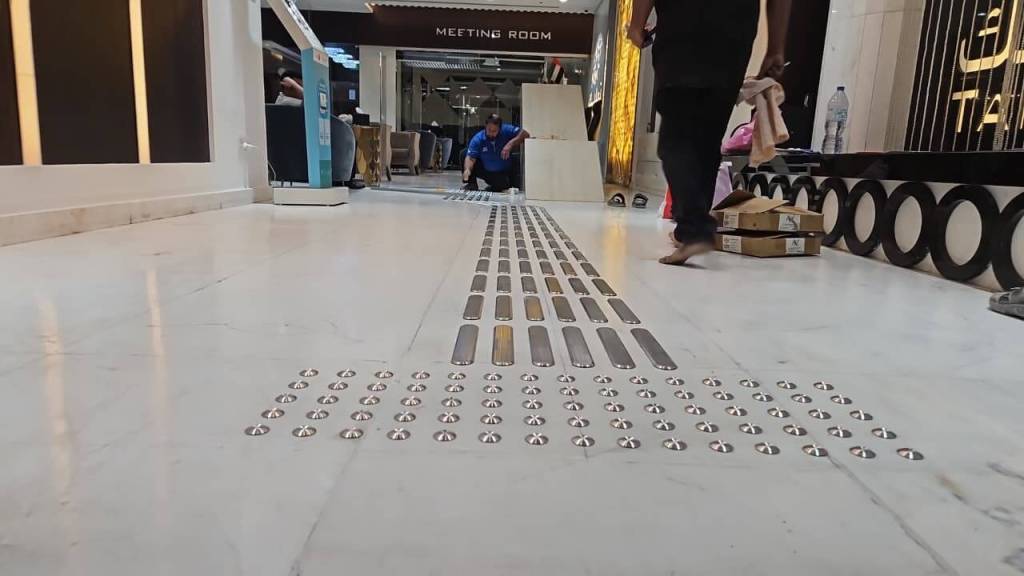
GRP Tactile Flooring for Public Spaces: Installation and Benefits

GRP tactile flooring (Glass Reinforced Plastic) is an essential component in public spaces, ensuring accessibility and safety for visually impaired individuals. These tactile surfaces are designed to provide sensory feedback, helping guide people through various environments, such as train stations, sidewalks, airports, and shopping centers. In this detailed guide, we will explore what GRP tactile flooring is, its benefits, and how to install it properly to ensure durability and compliance with accessibility standards.
What is GRP Tactile Flooring?
GRP tactile flooring is made from Glass Reinforced Plastic, a durable and lightweight material that is ideal for outdoor and indoor applications in public spaces. GRP is resistant to corrosion, impact, and harsh weather conditions, making it a reliable choice for long-lasting installations. Tactile flooring provides critical information to visually impaired individuals through raised surfaces, allowing them to detect changes in the environment through touch, typically with their feet or a cane.
GRP tactile surfaces come in various patterns, such as:
Blister Tactiles: These are used on sidewalks or platforms to signal the edge of a curb or platform.
Directional Tactiles: Raised linear bars that provide directional guidance along a safe path.
Warning Tactiles: Designed to alert users to potential hazards, such as stairs or road crossings.
Benefits of GRP Tactile Flooring for Public Spaces
GRP tactile flooring is becoming increasingly important in modern infrastructure projects as it plays a crucial role in making public spaces more accessible and inclusive. Here are some of the primary benefits of installing GRP tactile flooring in public spaces:
1. Enhanced Accessibility:
GRP tactile flooring ensures that visually impaired and blind individuals can safely navigate public areas. These tactile surfaces provide sensory feedback, allowing people to detect potential hazards, safe routes, and important transitions such as curb edges or stairs.
2. Durability and Weather Resistance:
GRP is known for its excellent durability, making it resistant to corrosion, chemicals, UV rays, and extreme weather conditions. This ensures that tactile surfaces maintain their integrity and effectiveness even in harsh outdoor environments.
3. Low Maintenance:
GRP tactile flooring requires minimal maintenance. Its non-porous surface prevents water and dirt absorption, making it easy to clean and maintain over time. This makes it a cost-effective solution for long-term use.
4. Slip Resistance:
One of the most important features of tactile flooring is its slip-resistant surface. GRP tactile panels provide a textured surface that reduces the risk of slips and falls, particularly in areas exposed to moisture, such as subway platforms or entrances to public buildings.
5. Customization and Aesthetic Flexibility:
GRP tactile flooring can be customized to suit the aesthetic requirements of different public spaces. It is available in a range of colors, patterns, and textures to fit seamlessly into any environment while complying with accessibility regulations.
Common Applications of GRP Tactile Flooring

GRP tactile flooring is commonly used in various public settings to enhance safety and accessibility. Below are some key areas where GRP tactile surfaces are commonly installed:
1. Train and Metro Stations:
Platforms in train and metro stations often use blister tactile tiles to indicate the edge of the platform, ensuring that visually impaired passengers can safely board and disembark.
2. Pedestrian Crossings:
Tactile paving is installed at pedestrian crossings to alert visually impaired individuals to the presence of a road and guide them safely across.
3. Sidewalks and Walkways:
Directional tactile surfaces guide pedestrians along safe pathways, ensuring they stay on track and avoid potential hazards.
4. Public Buildings:
Entrances to public buildings often feature tactile flooring to provide clear guidance and safe access to visually impaired individuals.
- Tactiles by Al Shabib Trading Completes Major Tactile Installation at RTA Headquarters Dubai
- Proud of the UAE — A Legacy of Vision and Unity
- Tactiles by Al Shabib Trading to Exhibit at AccessAbilities Expo 2026
- Dubai Land Department – Tactile Studs and Lines
- Dubai Municipality Human Resources Department, Deira Stainless Steel PIN Tactile Studs & Lines
5. Commercial Areas and Shopping Centers:
GRP tactile flooring is used in malls and shopping centers to guide individuals through complex environments, providing assistance in navigating large areas.
Installation of GRP Tactile Flooring in Public Spaces
Proper installation of GRP tactile flooring is essential to ensure its effectiveness and longevity. Whether installing in a pedestrian walkway or a busy public transport hub, following the correct installation procedures ensures compliance with safety and accessibility standards.
Pre-Installation Considerations
Before starting the installation process, it’s crucial to assess the site and consider several factors:
1. Surface Preparation:
The surface on which the tactile flooring will be installed must be clean, dry, and free of any debris. Ensure that there are no cracks, holes, or irregularities in the surface that could affect the installation or the effectiveness of the tactile panels.
2. Choosing the Correct Type of Tactile Flooring:
Select the right tactile flooring depending on the location. For example, blister tactile tiles are typically used at crossings and platform edges, while directional tactile surfaces are better suited for guiding individuals along a pathway.
3. Compliance with Regulations:
Ensure that the tactile flooring system complies with local and international accessibility standards. For example, the International Organization for Standardization (ISO) require tactile surfaces to have specific dimensions and patterns to effectively assist visually impaired individuals.
Installation Process
The installation process for GRP tactile flooring involves the following steps:
1. Measure and Mark the Area:
Measure the area where the tactile flooring will be installed and mark the exact locations. This ensures that the tactile surfaces are aligned correctly and cover the required space.
2. Apply Adhesive:
GRP tactile panels are typically installed using a high-strength adhesive. Apply the adhesive evenly on the back of the panel, ensuring full coverage. Some installations may also require mechanical fixing for added security in high-traffic areas.
3. Lay the Tactile Panels:
Carefully place the tactile panels on the prepared surface. Ensure that the tactile elements (blisters, bars, or warning shapes) are aligned correctly with the intended direction or hazard.
4. Press and Secure the Panels:
Once positioned, press the panels firmly onto the surface to ensure full adhesion. If using mechanical fixings, drill and secure the panels using screws or other fasteners.
5. Allow Adhesive to Cure:
Follow the manufacturer’s instructions for adhesive curing time. During this period, ensure that the area is cordoned off and no one steps on the tactile panels.
6. Finishing Touches:
After installation, check the tactile panels to ensure that they are properly secured and aligned. Perform a final clean-up of the area and ensure that any signage or wayfinding tools complement the tactile flooring system.
Maintenance Tips
Although GRP tactile flooring is low maintenance, it’s important to keep it clean and free of debris to ensure that it remains effective:
Regular Cleaning: Use a non-abrasive cleaner to remove dirt, dust, and grime that may accumulate on the surface. Avoid harsh chemicals that could damage the tactile elements.
Inspections: Periodically inspect the tactile flooring for signs of wear and tear, especially in high-traffic areas. Replace or repair any damaged sections to maintain safety and compliance.
Weather Protection: In outdoor environments, ensure the tactile flooring is protected from weather-related wear, such as snow, ice, or heavy rainfall, which could affect its durability over time.
GRP tactile flooring is an essential component of creating accessible public spaces that are safe and inclusive for all individuals, including those with visual impairments. Its durability, low maintenance requirements, and excellent slip resistance make it ideal for both indoor and outdoor applications.
Proper installation ensures that the tactile flooring is secure and functional, providing critical guidance for visually impaired pedestrians in busy public areas. By incorporating GRP tactile flooring into public infrastructure, cities can improve the safety and accessibility of public spaces, making them more navigable for everyone.