Understanding the Key Aspects of Design, Installation, and Functionality of Tactiles

Key Aspects of Design, Installation, and Functionality of Tactiles
Tactiles, often referred to as tactile tiles or tactile indicators, are designed for functionality and aesthetics. Commonly used in urban environments, public spaces, and residential areas, tactiles provide both practical benefits and visual appeal. The unique technicalities behind the design, materials, and installation of tactiles ensure their effective performance and durability. In this article, we delve into the technical details that define tactiles, highlighting their composition, installation process, and long-term maintenance.
1. Material Composition and Types of Tactiles
Tactiles are manufactured from a variety of materials, each offering specific characteristics that cater to different applications. The choice of material depends on factors such as durability, environment, traffic load, and the purpose for which the tactiles will be used. The primary materials used in the production of tactiles include:
Ceramic: Ceramic tactiles are commonly used for indoor applications, such as public buildings or residential areas. They offer excellent resistance to wear and are available in a wide range of designs and colors.
Porcelain: Known for its strength and low porosity, porcelain is used for both indoor and outdoor applications. It is highly resistant to moisture, stains, and temperature changes, making it ideal for areas exposed to the elements.
Natural Stone: Tactiles made from natural stone such as granite or marble are typically used in high-end commercial and residential projects where aesthetic appeal is a priority. However, they require careful maintenance to retain their appearance over time.
Concrete: Concrete tactiles are widely used in urban environments, particularly for public walkways, transit stations, and other outdoor spaces. They are highly durable and can withstand heavy foot traffic and weather conditions.
Rubber: Rubber tactiles are often used in public transportation facilities and areas where slip resistance is crucial. Their flexibility and impact absorption properties make them ideal for high-traffic areas and for improving safety, especially in wet conditions.
2. Functionality and Design
Tactiles are designed with specific patterns and surface textures that serve as visual and tactile indicators for pedestrians. The most common types of tactile indicators include:
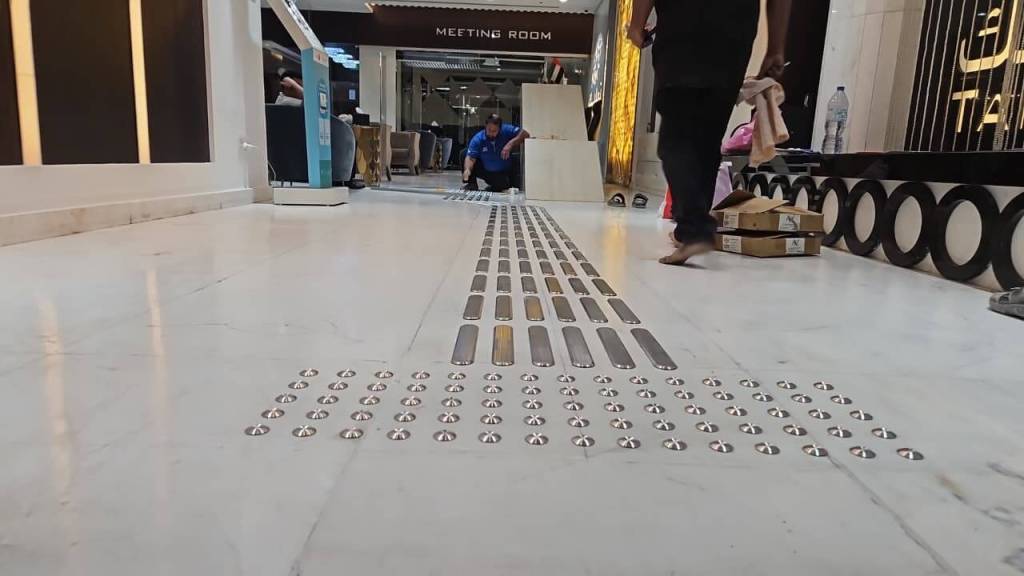
Warning Tactiles: Also known as hazard indicators, these tactiles feature raised, truncated domes arranged in a grid pattern. They are used to alert pedestrians to hazards such as road crossings, staircases, and platforms in transit stations.
Directional Tactiles: These tactiles have raised lines or bars that guide pedestrians in a specific direction. They are often installed in public spaces like train stations, airports, and shopping centers to help visually impaired individuals navigate safely.
Information Tactiles: Sometimes combined with warning and directional tactiles, these indicators provide additional information regarding changes in the environment, such as the presence of obstacles or drop-offs.
The surface texture and pattern of each tactile are specifically designed to provide sensory feedback to pedestrians, both visually and through physical touch. These indicators ensure safety and accessibility, particularly for individuals with visual impairments.
3. Installation Techniques and Considerations
Installing tactiles requires precise planning and execution to ensure that they meet both functional and aesthetic requirements. The installation process varies depending on the type of material and the surface where the tactiles will be installed. The key steps involved in tactile installation include:
a. Surface Preparation:
The surface where the tactiles will be installed must be clean, level, and free of debris. For outdoor applications, it is essential to ensure that the substrate is stable and can support the weight and traffic load.
b. Adhesive Application:
For tiles such as ceramic or porcelain tactiles, the installation process typically involves applying a layer of adhesive to the surface. The adhesive must be evenly spread using a notched trowel to ensure that the tiles are securely bonded to the substrate.
c. Spacing and Alignment:
Tactiles must be installed with precise spacing and alignment to ensure that they provide accurate feedback to pedestrians. This is particularly important for directional and warning tactiles, where incorrect alignment can lead to confusion or safety hazards.
d. Grouting and Sealing:
Once the tactiles are in place, grout is applied to fill the joints between the tiles. For certain materials, such as natural stone, a sealant is often used to protect the tiles from moisture and staining.
e. Special Considerations for Outdoor Installation:
Outdoor installations, such as those on sidewalks or public spaces, may require additional considerations. For example, frost resistance is a key factor for tactiles installed in regions with cold climates. In these cases, the tiles must be able to withstand freeze-thaw cycles without cracking or degrading.
4. Maintenance and Durability
The longevity and performance of tactiles depend on proper maintenance, which varies based on the material used. Regular cleaning is essential to keep tactiles free from dirt, grime, and other debris that can affect their functionality and appearance. Here are some maintenance tips for different types of tactiles:
Ceramic and Porcelain: These materials are relatively low-maintenance, requiring only regular sweeping and mopping to keep them clean. It is important to avoid abrasive cleaners, as they can damage the surface over time.
Natural Stone: Stone tactiles require more careful maintenance to prevent staining and discoloration. Regular sealing is recommended to protect the stone from moisture, dirt, and spills.
Concrete: Concrete tactiles are highly durable and can withstand heavy traffic and outdoor elements. However, periodic cleaning with a pressure washer is recommended to prevent the buildup of grime and moss.
Rubber: Rubber tactiles are easy to maintain with regular cleaning using mild soap and water. They are resistant to moisture and stains, making them suitable for wet environments.
5. Safety and Accessibility Standards
Tactiles play a critical role in ensuring the safety and accessibility of public spaces. In many regions, the installation of tactile indicators is required by law to comply with accessibility standards for individuals with disabilities. These standards ensure that tactiles provide sufficient contrast, both visually and tactilely, to be easily detectable by pedestrians.
Key standards to consider during the installation of tactiles include:
Color Contrast: Tactiles should have a high contrast in color compared to the surrounding surface. This makes them easier to detect visually, even for individuals with low vision.
Slip Resistance: Tactiles must provide adequate slip resistance, particularly in outdoor environments or areas exposed to moisture. Rubber and textured tactiles are commonly used in such settings to enhance safety.
Durability: Given the high-traffic nature of many tactile installations, the materials used must be durable enough to withstand constant use without degrading or becoming damaged.
Tactiles are an essential feature in modern urban and architectural design, serving both functional and aesthetic purposes. From their material composition to their installation and maintenance, understanding the technicalities of tactiles ensures that they perform effectively and contribute to the safety, accessibility, and beauty of a space. Whether installed indoors or outdoors, in residential or commercial environments, tactiles provide long-lasting value when chosen and applied correctly. For more information and technical guidance on selecting the right tactiles for your project, visit our website now