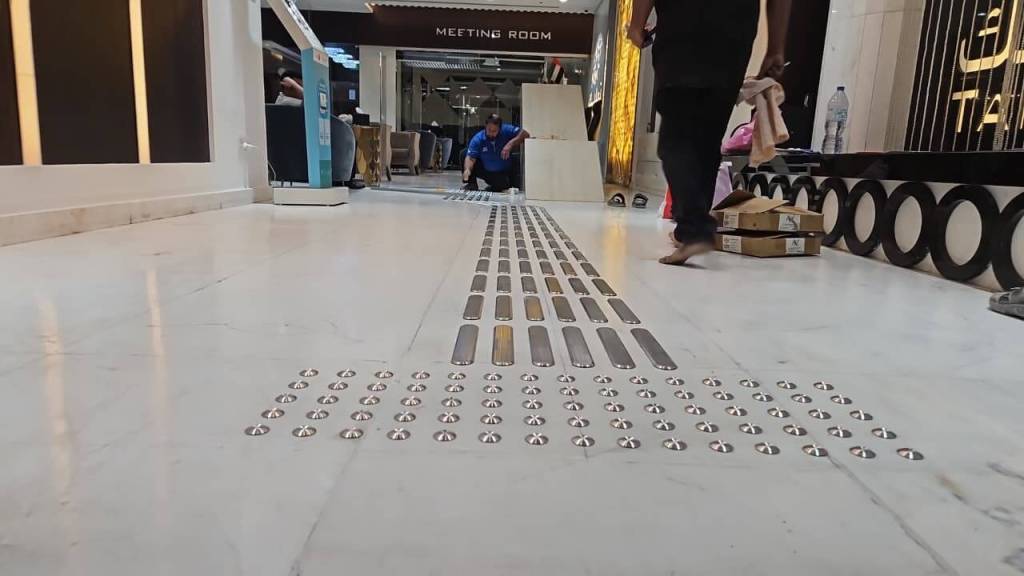
How to restore old tactile surfaces: a comprehensive guide
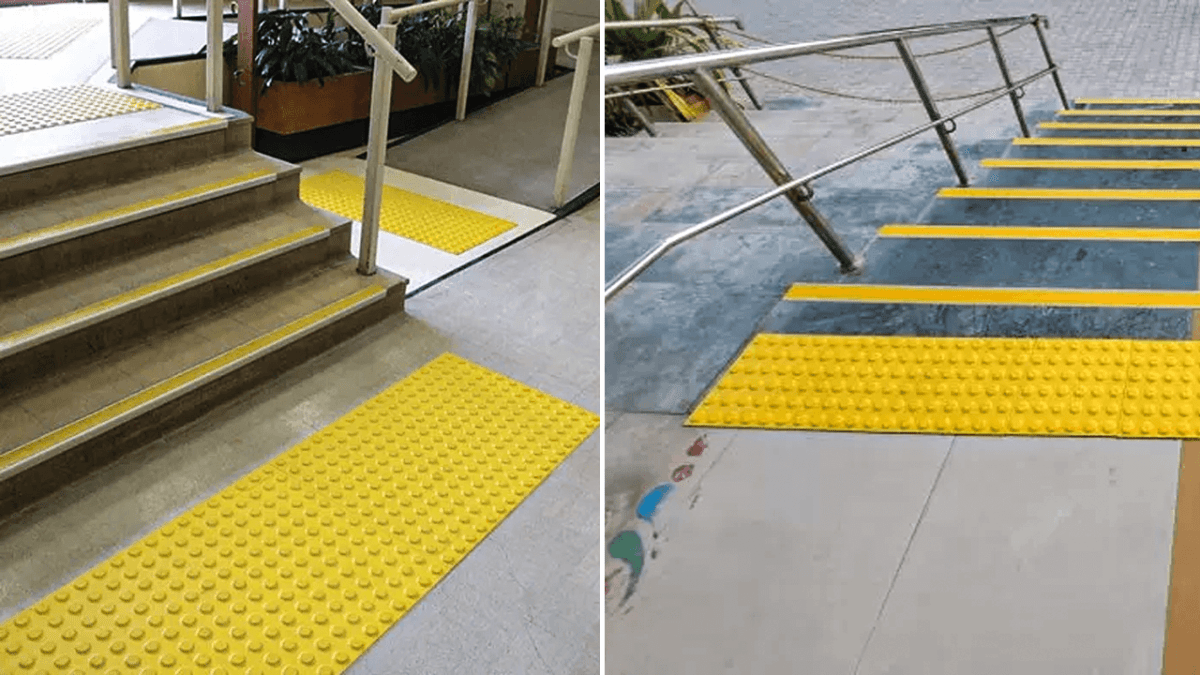
Tactile surfaces play a crucial role in ensuring safety and accessibility, especially in urban spaces. over time, however, these surfaces can become worn, faded, or damaged due to heavy foot traffic, exposure to the elements, and general wear and tear. restoring old tactile surfaces can help maintain their functionality and appearance while extending their lifespan. here is a guide to restoring tactile surfaces effectively and ensuring they continue to serve their purpose.
Understanding the condition of the surface
before starting any restoration work, it’s important to assess the condition of the tactile surface. look for cracks, discoloration, loose tiles, or other signs of damage. determine whether the surface needs minor repairs, a complete overhaul, or simply cleaning and resealing. this step ensures you can plan the restoration process effectively and choose the right materials and methods.
Cleaning the surface thoroughly
the first step in restoration is cleaning the tactile surface to remove dirt, grime, and debris. use a mild cleaning solution suitable for the material of the tactile surface, such as a pH-neutral cleaner. avoid harsh chemicals, as they can damage the material or cause discoloration. scrub the surface gently with a soft-bristled brush or use a pressure washer on a low setting for deeper cleaning. ensure the surface is completely dry before moving on to the next step.
Repairing cracks and damages
if there are cracks or chips on the tactile surface, these need to be repaired to prevent further damage. use a filler or patching compound that matches the material of the tactile surface. apply it carefully to ensure a smooth finish and allow it to cure as per the manufacturer’s instructions. for more significant damage, it may be necessary to replace individual tiles or sections of the surface.
Restoring color and visibility
tactile surfaces often rely on their vibrant colors and patterns to ensure visibility for individuals with visual impairments. if the color has faded, consider repainting the surface with high-quality, UV-resistant paint specifically designed for tactile surfaces. ensure the paint meets safety standards and provides a slip-resistant finish. apply the paint evenly and allow sufficient drying time before reopening the area for use.
Resealing for longevity
once the surface has been repaired and repainted, applying a sealant can help protect it from future wear and tear. choose a sealant that is compatible with the material of the tactile surface and offers durability against heavy usage and weather conditions. a sealant not only enhances the appearance but also ensures the surface remains easy to clean and maintain.
Regular maintenance
after restoration, regular maintenance is key to prolonging the life of the tactile surface. schedule routine inspections to identify any early signs of wear or damage. clean the surface periodically using appropriate methods and address minor issues promptly to prevent them from escalating. proper maintenance can help delay the need for further restoration work.
Seeking professional assistance
while some restoration tasks can be handled independently, larger projects may require professional expertise. engaging a professional ensures that the tactile surface is restored to the highest standards, complying with safety and accessibility regulations. they can also provide guidance on choosing the best materials and methods for long-lasting results.
restoring old tactile surfaces is a practical and necessary step to maintain safety and accessibility in public spaces. by following the steps outlined above, you can ensure that your tactile surfaces remain functional and visually appealing for years to come. whether it’s a small touch-up or a complete restoration, addressing the issues promptly can save costs in the long run and uphold the integrity of these essential surfaces. for more specialized services in the uae, consider reaching out us who understand the unique environmental conditions and requirements of the region.