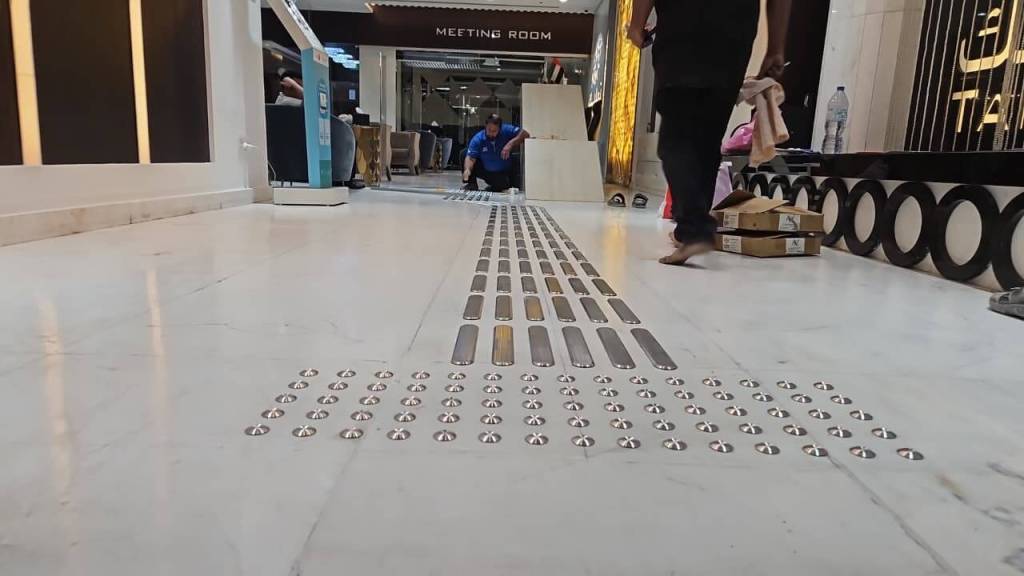
Tactile Directional Line SS: A Guide to Enhanced Safety and Accessibility

Accessibility and safety are two crucial elements in public spaces, and one of the key ways to ensure this is through tactile indicators. The Tactile Directional Line SS plays a pivotal role in guiding individuals, especially those with vision impairments, through various environments. Made from high-quality stainless steel, this tactile indicator provides durability, functionality, and aesthetics for any setting. In this article, we will explore the features, applications, and benefits of the Tactile Directional Line SS and why it is an essential component in any modern accessibility project.
What is a Tactile Directional Line?
Tactile directional lines are textured surface indicators that guide visually impaired individuals through a particular route or path. Typically used in public spaces like train stations, shopping malls, airports, and sidewalks, these lines help to ensure that those with vision impairments can navigate independently and safely.
The Tactile Directional Line , made from stainless steel, is specifically designed for high-traffic areas where durability and long-term performance are essential. Its sleek, modern appearance also ensures it fits seamlessly into any architectural environment.
Key Features of Tactile Directional Line SS
- Stainless Steel Construction:
The stainless steel material ensures longevity and resilience, even in high-traffic or outdoor areas where the product is exposed to environmental elements such as moisture, heat, and heavy use. - Non-Slip Surface:
The surface of the Tactile Directional Line is designed with a textured finish to provide maximum grip and prevent slips, enhancing safety for all pedestrians. - Corrosion Resistance:
Stainless steel is highly resistant to corrosion, making it ideal for outdoor installations or areas prone to moisture. The Tactile Directional Line SS maintains its aesthetic appeal and functional integrity even in harsh conditions. - Aesthetic Appeal:
With its sleek and modern design, the Tactile Directional Line SS integrates seamlessly with the surroundings, enhancing the overall look of the space while fulfilling its practical purpose. - Ease of Installation:
The Tactile Directional Line SS can be easily installed on a variety of surfaces, including concrete, tile, and asphalt, making it versatile for different environments.

Applications of Tactile Directional Line SS
- Public Transportation Hubs:
Tactile directional lines are often installed in bus and train stations to guide visually impaired individuals safely through complex transit networks. - Commercial Spaces:
Shopping centers, office buildings, and large commercial environments use tactile indicators to direct foot traffic and ensure compliance with accessibility regulations. - Public Sidewalks and Parks:
Outdoor areas, such as sidewalks and parks, can benefit from tactile directional lines by offering visually impaired individuals a safe path to follow in open spaces. - Educational Institutions:
Schools and universities use tactile indicators to ensure all students and staff have equal access to navigation pathways, contributing to a more inclusive environment.
The Importance of Tactile Indicators for Accessibility
Tactile indicators, such as the Tactile Directional Line, are part of a broader initiative to ensure accessibility for all individuals. According to global accessibility standards, public spaces must include features that assist those with disabilities, and tactile indicators are one of the most effective tools for achieving this.
By installing tactile directional lines, businesses and institutions not only comply with regulations but also create a more welcoming and inclusive environment. These features provide autonomy and safety to individuals with vision impairments, enabling them to navigate spaces independently and with confidence.
Why Choose the Tactile Directional Line SS?
When it comes to choosing tactile indicators, quality and durability are critical. The Tactile Directional Line stands out because of its premium stainless steel construction, making it ideal for both indoor and outdoor use. Its corrosion resistance, non-slip surface, and modern design ensure it remains functional and visually appealing over time. Additionally, it complies with global safety standards, making it a reliable choice for any business or public space.
The Tactile Directional Line is more than just an accessibility tool—it is a safety measure that enhances the lives of individuals with vision impairments. By integrating tactile indicators into public and commercial spaces, businesses and institutions can demonstrate their commitment to creating inclusive environments that prioritize the safety and independence of all individuals. With its durable stainless steel construction, non-slip surface, and ease of installation, the Tactile Directional Line SS is the perfect solution for any setting.